What Makes An Escape Room Good?

1. An Immersive Environment That Feels Like Another World
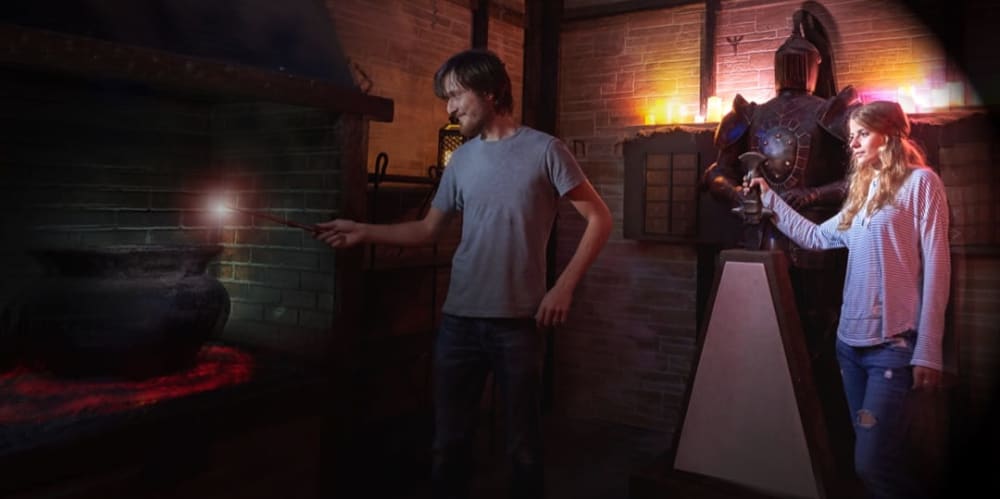
One of the first things players notice about an escape room is its atmosphere.
A great escape room begins creating an experience the moment you enter.
Lighting, sound effects, furniture, props, textures, and room layout should work together to establish a believable environment.
Imagine stepping into an ancient tomb. Instead of ordinary office furniture and visible plastic containers, you're surrounded by mysterious artifacts, carved symbols, and hidden mechanisms.
Suddenly, you're not just standing inside a room. You're exploring a lost world.
The same principle applies to museum heists, pirate adventures, magical academies, and secret-agent missions.
What to look for: A consistent visual theme, believable props, atmospheric lighting, and environmental details that support the story.
Expensive decorations alone don't guarantee immersion. Creative design and attention to detail often matter much more.
2. A Story That Gives Every Puzzle a Purpose
An escape room becomes more engaging when players understand why they're solving puzzles.
A strong storyline provides context and motivation.
Are you recovering a stolen masterpiece? Investigating a mysterious disappearance? Searching for a hidden treasure? Trying to complete an expedition before time runs out?
The story should connect the environment, objectives, and puzzles into one cohesive adventure.
For example, discovering a coded journal in an explorer's tomb feels natural. Finding an unrelated math worksheet in the same setting might break the illusion.
The best escape room stories don't require players to read pages of background information. Instead, the narrative unfolds through exploration, discoveries, and interactions with the environment.
What to look for: A clear mission, meaningful discoveries, and puzzles that fit naturally into the fictional world.
3. Clever Puzzles That Reward Observation and Creativity
Puzzles are at the heart of every escape room.
But difficult doesn't automatically mean good.
A well-designed puzzle should challenge players while providing enough information to make a solution possible through observation, logic, experimentation, or teamwork.
Great escape rooms use a variety of puzzle types, such as:
Pattern recognition and symbol decoding
Hidden clues and environmental observations
Physical objects and mechanical interactions
Logical sequences and combinations
Interactive electronic puzzles
Challenges that require several players to cooperate
Variety helps different team members contribute.
One player might notice a tiny detail in a painting. Another might recognize a numerical pattern. Someone else might understand how several objects fit together.
A satisfying puzzle produces that unforgettable moment when everything suddenly clicks.
What to look for: Clear puzzle logic, creative challenges, and solutions that feel earned rather than random.
4. Technology That Enhances the Adventure
Modern escape rooms can offer much more than traditional padlocks and combination codes.
Interactive technology allows players to activate mechanisms, trigger environmental effects, reveal hidden compartments, and experience surprising transformations.
Imagine placing an artifact in the correct location and watching a secret compartment open.
Or completing a sequence of actions that changes the lighting and reveals the next part of your mission.
These moments make players feel that their decisions directly affect the world around them.
However, technology should serve the game rather than distract from it.
A complicated electronic puzzle isn't necessarily better than a simple mechanical one. What matters is whether the interaction feels natural, reliable, and satisfying.
What to look for: Responsive mechanisms, believable interactions, and effects that reinforce the story.
5. A Balanced Difficulty Level
One of the biggest misconceptions about escape rooms is that the hardest game must be the best.
In reality, the ideal challenge depends on the players.
A group of first-time visitors may enjoy a different level of difficulty than experienced escape room enthusiasts.
A well-balanced game should provide a sense of progress while still offering meaningful challenges.
If every puzzle is solved instantly, the adventure may feel too easy.
If players spend most of the experience stuck without understanding what to do next, frustration can replace excitement.
Great escape room design balances discovery, challenge, and momentum.
What to look for: Appropriate difficulty information, logical progression, and a game that allows teams to recover when they get stuck.
Before booking, consider your group's experience level and preferences rather than choosing solely based on difficulty ratings.
6. Opportunities for Real Teamwork
A great escape room should make everyone feel involved.
When several people enter a room together, the experience becomes more interesting if they have opportunities to share discoveries, combine clues, and solve challenges collaboratively.
The best team experiences encourage communication without forcing everyone to work on exactly the same task.
Some puzzles might allow players to investigate different parts of the room simultaneously. Others may require everyone to come together.
This variety helps maintain engagement.
It also makes escape rooms an appealing activity for:
Friends looking for a shared adventure
Families spending time together
Birthday celebrations
Corporate team-building outings
Couples and small groups
What to look for: Multiple opportunities to participate, puzzles that reward communication, and a game suitable for your group's size.
7. A Helpful and Attentive Game Master
Even an excellent escape room can become frustrating without proper game supervision.
A good game master helps players understand the rules, monitors their progress, and provides assistance when appropriate.
Hints should guide players toward a discovery rather than immediately giving away the answer.
For example, instead of revealing a combination, a helpful hint might encourage the team to revisit an overlooked object.
The goal is to keep the experience enjoyable while preserving the satisfaction of solving the challenge.
A good game master also helps maintain safety and addresses technical problems when they arise.
What to look for: Clear instructions, helpful staff, appropriate hint support, and a welcoming atmosphere.
8. Surprises That Make the Experience Memorable
Some of the most memorable escape room moments happen when players discover something they never expected.
A hidden passage.
A secret compartment.
A dramatic lighting change.
An unexpected twist in the storyline.
These surprises can transform an ordinary puzzle-solving experience into a memorable adventure.
However, the best surprises aren't random. They make sense within the story and reward the team's progress.
A dramatic effect is much more satisfying when players know they triggered it by completing a challenge.
What to look for: Creative reveals, surprising discoveries, and moments that make the adventure feel larger than the room itself.
9. Safety, Comfort, and Reliable Game Design
Immersion is important, but safety should always come first.
A professionally operated escape room should provide clear safety instructions and appropriate emergency exit procedures.
Players should understand how to leave the game if necessary.
The experience should also be maintained properly. Broken props, malfunctioning mechanisms, or confusing instructions can interrupt the adventure.
Good game design considers practical details, including accessibility information, group size, age restrictions, and the physical requirements of the activity.
Before booking, review the room description and contact the business if anyone in your group has specific accessibility or comfort needs.
What to look for: Clear safety information, well-maintained equipment, transparent participation requirements, and attentive staff.
10. An Experience That Stays With You
The final measure of a great escape room isn't necessarily whether your team escapes.
It's how you feel afterward.
Do you remember the moment someone discovered a hidden clue?
Did your group celebrate when a difficult mechanism finally opened?
Are you still discussing the unexpected twist or laughing about a teammate's unusual theory?
The best escape rooms create shared memories.
Winning is exciting, but the adventure itself should be worthwhile regardless of the final result.
A memorable escape room makes you want to return, explore another story, and discover what comes next.
How to Choose the Best Escape Room for Your Group
Now that you know what makes a good escape room, how do you choose the right one?
Start with the type of experience your group enjoys.
For first-time players: Look for a welcoming experience with clear instructions and an approachable difficulty level.
For experienced enthusiasts: Consider games with unusual puzzle mechanics, immersive environments, and creative challenges.
For families: Check age recommendations, group-size limits, and whether adult supervision is required.
For birthday parties: Ask about group arrangements, private event spaces, and whether food and drinks are permitted in designated areas.
For corporate outings: Consider the number of participants, opportunities for collaboration, and scheduling options.
You should also check recent customer reviews, available booking times, and the game's duration before making a reservation.
A game that matches your group's interests is usually a better choice than simply selecting the most difficult room.
Experience Immersive Escape Rooms in Hollywood, Florida
If you're searching for escape rooms in Hollywood, Florida, Boxroom Escape Games offers themed adventures where players can explore mysterious environments, solve puzzles, and work together toward a shared objective.
Our experiences include different stories and settings.
The Last Expedition
Enter a world inspired by ancient mysteries and exploration. Search for clues, investigate your surroundings, and uncover the secrets of an adventurous expedition.
Escape with Mona Lisa
Step into a museum-inspired mission involving one of the world's most recognizable masterpieces. Follow clues, solve challenges, and attempt an unforgettable art-heist adventure.
More Adventures at Boxroom
Our selection of escape room experiences continues to evolve. Check our website for the latest available games, age requirements, group sizes, and booking schedules.
We also offer a private event room for celebrations and group gatherings. Contact us for current event options and availability.
Boxroom Escape Games
1930 Tyler Street
Hollywood, Florida 33020
Explore Boxroom Escape Games and check available bookings
Frequently Asked Questions
What makes an escape room fun?
A fun escape room combines engaging puzzles, an interesting story, immersive surroundings, and opportunities to work with other players. The experience should feel challenging without becoming unnecessarily frustrating.
What makes an escape room difficult?
Difficulty can depend on puzzle complexity, the number of interconnected clues, time limits, and how much coordination the team needs. A more difficult room isn't automatically a better experience.
How long does an escape room usually last?
Many escape room games are designed around a 60-minute experience, although durations vary. Check the specific game's details before booking.
Are escape rooms good for beginners?
Yes. Many escape rooms welcome first-time players. Choosing an appropriate difficulty level and communicating with teammates can make the experience more enjoyable.
How many people should play an escape room?
The ideal group size depends on the room's design and capacity. Smaller teams may enjoy greater individual involvement, while larger teams can bring more perspectives. Always check the room's published minimum and maximum player limits.
What should you avoid doing in an escape room?
Avoid forcing props or locks, ignoring safety instructions, withholding important discoveries from teammates, or spending too long repeating the same unsuccessful approach. When you're stuck, communicate with your group or request a hint.
Final Thoughts: Great Escape Rooms Are About the Experience
A great escape room isn't defined by the number of locks, the amount of technology, or how difficult it is to finish.
It's the combination of thoughtful puzzles, immersive storytelling, reliable design, helpful staff, and memorable moments that makes an adventure special.
Whether you're exploring an ancient mystery, solving a museum heist, or discovering a hidden secret, the best escape rooms make you feel like an active part of the story.
Ready for your next adventure?
Discover Boxroom Escape Games in Hollywood, Florida, and find a story worth escaping into.